
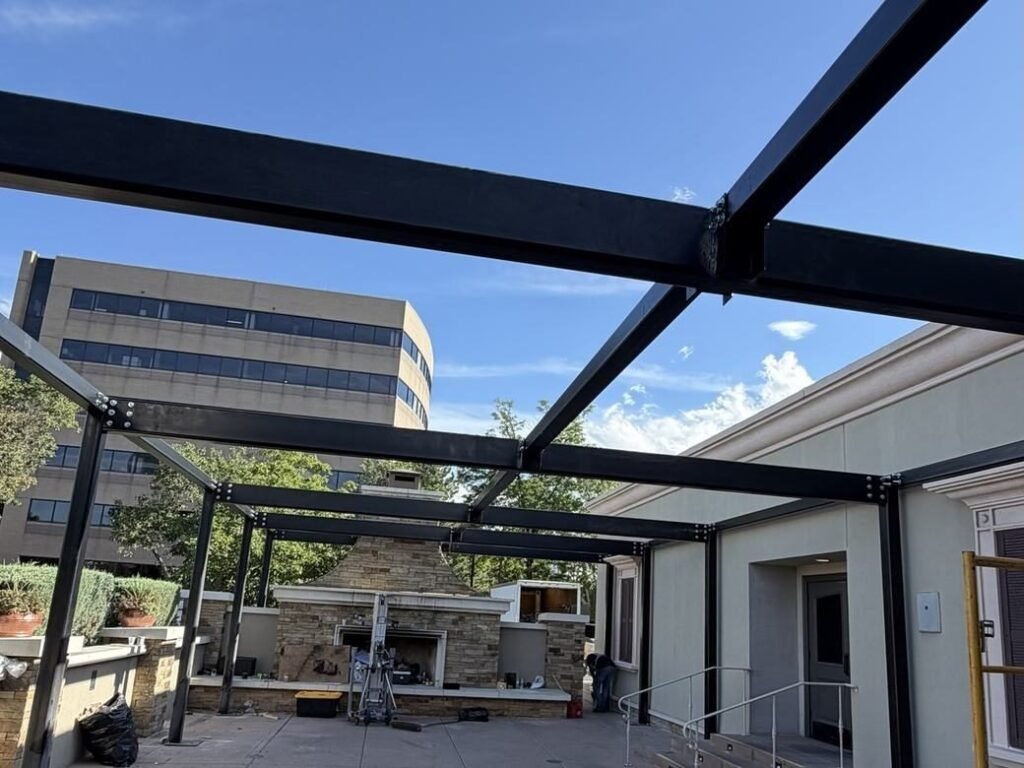
For a restaurant, closing for construction means lost revenue, staff on reduced hours and regulars who may not come back. So when Landry’s asked us to take on restaurant patio construction for a new enclosure at the front of Del Frisco’s Double Eagle Steakhouse in Greenwood Village, Colorado, keeping the doors open was part of the job.
The site was about as tight as it gets: the patio sits on the main entrance and the valet lane. We installed about 20,000 lb of steel, a louvered roof, 18 shades and 16 heaters, and the restaurant didn’t close for a single day. Here’s what made that possible.
1. Agree on the day’s work every morning
Each morning, work windows, valet lane use and guest access were agreed with restaurant management. That short daily check-in kept restaurant patio construction from surprising anyone during service.
2. Stage materials in the order they go up
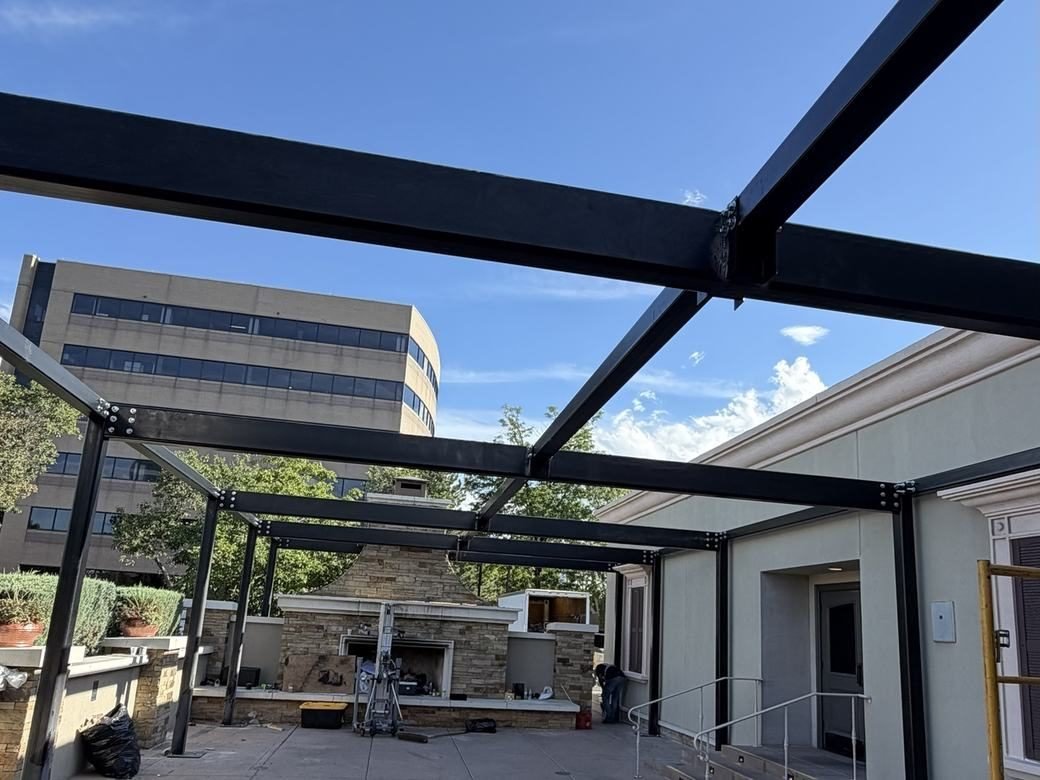
Steel members were sorted in the parking lot by erection sequence and moved to the patio one at a time. Nothing sat in guests’ way, and the crew never had to dig through a pile.
3. Leave the site safe and stable every night
The frame was left stable at every daily stopping point, and the crane area was returned to parking each evening. Guests arriving for dinner saw a tidy site, not an open construction zone.
4. Keep paperwork ahead of the schedule
Days before steel erection, the City asked for an additional sealed engineer’s letter. The engineer of record issued it, we filed it within two days, and steel still went up on the planned date. Fast paperwork is often what keeps a restaurant patio construction schedule intact.
5. Report progress in writing, every week
The client received a written status report every week, showing each milestone’s planned date next to its actual date. No one had to chase updates or guess where the job stood.
6. Fix small problems before they become delays
When we spotted small gaps between shade units, we added aluminum U-channels at the shade bottoms right away. A week of heavy rain then confirmed the enclosure was watertight. Catching issues early meant no return trips after handover.
Planning restaurant patio construction at your location
Every site is different, but the same groundwork keeps restaurant patio construction running smoothly while you stay open. Before the first crew arrives, work through this checklist with your contractor:
- Map guest flow. Mark entrances, valet and delivery lanes, the ADA accessible route and fire exits, then decide where crews, lifts and materials can safely go.
- Set work hours around service. Early mornings and the gap between lunch and dinner are usually the best windows for noisy or heavy work.
- Confirm utilities early. Heaters, motors, lighting and audio need power, and a louvered roof needs a place to drain.
- Secure permits and engineering first. Ordering materials before approvals are in place is a common cause of delays.
- Name one point of contact. One person who reports in writing every week keeps owners, managers and the city aligned.
- Brief your staff. Let hosts and servers know the daily plan so they can answer guest questions and steer foot traffic away from active work areas.
The result: restaurant patio construction with zero closures
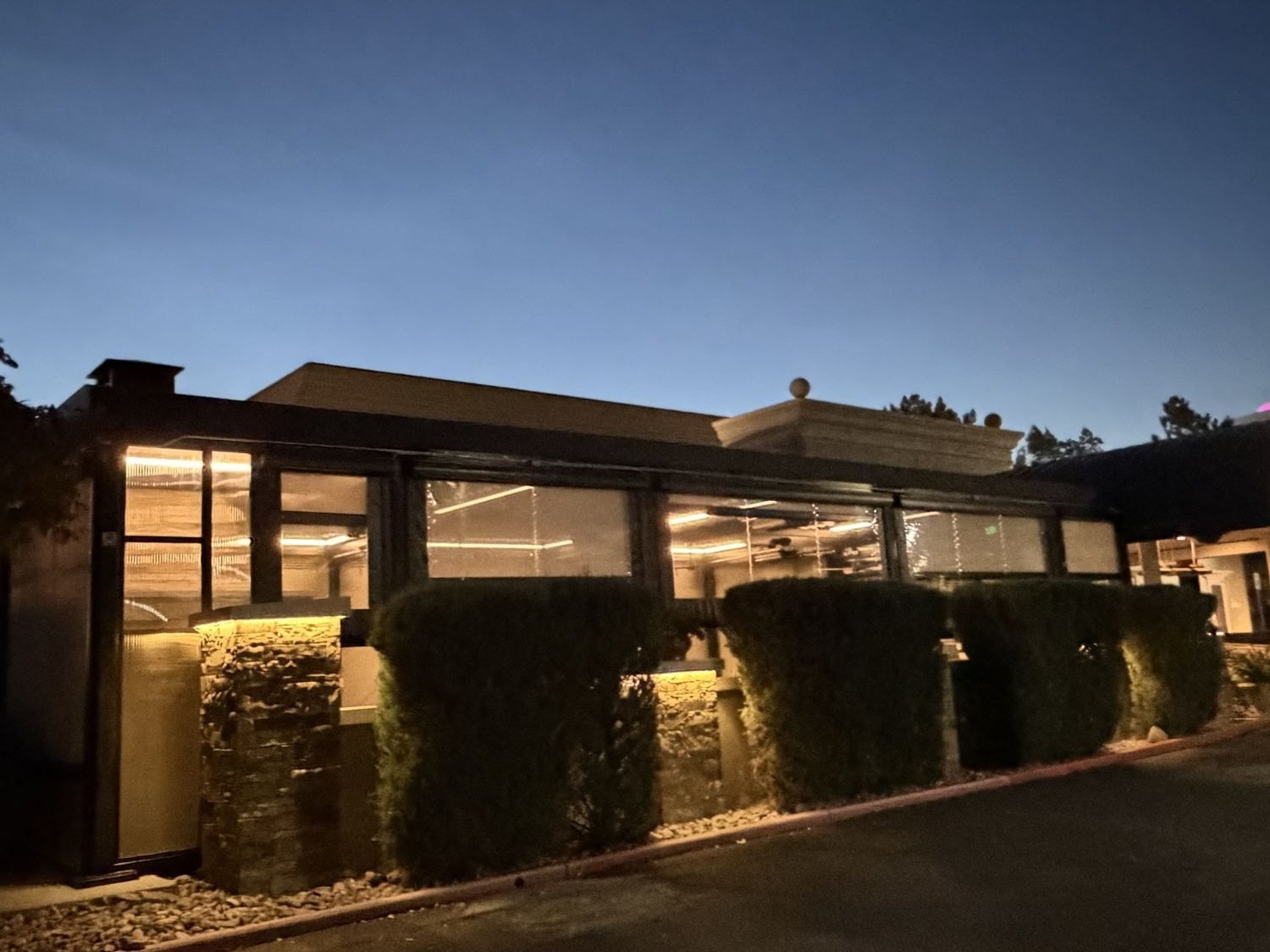
The steel structure finished one day early, every inspection on the permit passed along the way, and the restaurant gained a furnished, all-season dining room without losing a single day of service.
Planning restaurant patio construction at your restaurant or hotel? We handle design, engineering, permits and installation with one point of contact. See the full Del Frisco’s case study or call 281.720.7272.